

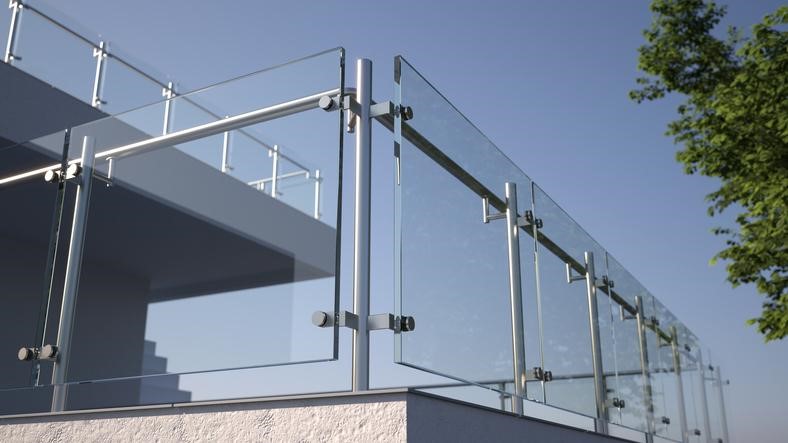
10 Apr Mobile Terrace Enclosures: What Every Homeowner Should Know
If you live in an apartment building, you’ve probably heard the debates about enclosing terraces and balconies. Mobile enclosures often seem like a quick fix to avoid legal headaches—but is it really that simple?
Legal requirements to Enclose a Terrace
Under Spain’s Horizontal Property Law, any type of enclosure requires approval from the homeowners’ association, with at least three-fifths of owners voting in favour. Neighbours who weren’t present have one month to object. On top of that, some city councils require a municipal permit—so always check local regulations first.
Before you start, review your community bylaws. They may allow enclosures under certain conditions or only permit mobile systems, not fixed ones.
What About Mobile Enclosures?
Even if they’re removable, mobile enclosures still change the building’s exterior look. That means you’ll usually need community approval. The good news? If no construction work is involved, you typically won’t need a municipal permit.
Courts have sometimes sided with owners who installed mobile systems—provided they were discreet and didn’t affect the building’s structure or overall appearance.
Tips to Get Your Project Approved
Aesthetic integration is key. Choose a design that blends with the building’s style and keeps a low profile. The more discreet, the better your chances at the next homeowners’ meeting.
Steps to Follow
1. Get approval from your homeowners’ association.
2. Submit a technical plan if required by your local council.
3. Apply for a municipal permit and pay any fees.
What Happens If You Skip the Process?
Installing without permission can lead to fines and an order to remove the enclosure. Mobile systems are easier to dismantle, but that doesn’t protect you from penalties.
At Barcelona Flat Hunter, we always recommend following the legal process. It’s the best way to avoid neighbour disputes and keep your home life stress-free.